
There’s a tiny ingredient hiding in many great kitchens that can completely transform a meal, and it’s probably not the one you’d expect.
Small and often misunderstood, anchovies have earned a reputation as a bold, intensely fishy ingredient. But chefs know their real value lies in something different: their ability to quietly build flavour.
A few carefully packed fillets can transform a simple pasta sauce, elevate roasted vegetables, create a flavour-packed dressing, or turn a piece of toast into something memorable.
Why Anchovies Deserve a Spot in Your Fridge
A well-stocked fridge is built around ingredients that make cooking easier. Anchovies may look unassuming, but they deliver incredible flavour with very little effort.
Unlike many fresh seafood ingredients, anchovies make it easy to prepare classic dishes that rely on their distinctive savoury flavour.
They’re especially useful in a wide variety of recipes, including:
- Add depth to sauces and soups
- Make simple ingredients taste more interesting
- Create richer flavours without spending hours cooking
- Add a savoury, umami boost to everyday meals
The best part? You usually don’t need a lot. A few anchovy fillets are often enough to completely enhance the flavour profile of a dish.
Why Anchovies Add So Much Flavour
Anchovies work a little differently. They’re often used as a flavour-building ingredient rather than the star of the dish. When melted into olive oil, sauces, or dressings, they add depth and complexity, helping create the kind of layered flavour that makes a dish taste as if it took much longer to prepare.
The best anchovy dishes don’t taste like anchovies at all. They simply taste better.
What Do Anchovies Taste Like?
One of the biggest misconceptions about anchovies is that they will make everything taste fishy.
In reality, anchovies are much more nuanced.
Their flavour is:
- Savoury and rich
- Packed with umami
- Deep and complex
When cooked, anchovy fillets often leave a richer flavour rather than an obvious seafood taste. This is how they appear in dishes far beyond seafood recipes – from classic Caesar dressing to pasta sauces, vegetable dishes, and marinades.
8 Easy Ways to Get More From a Tin of Anchovies
1. Upgrade Your Pasta Sauces
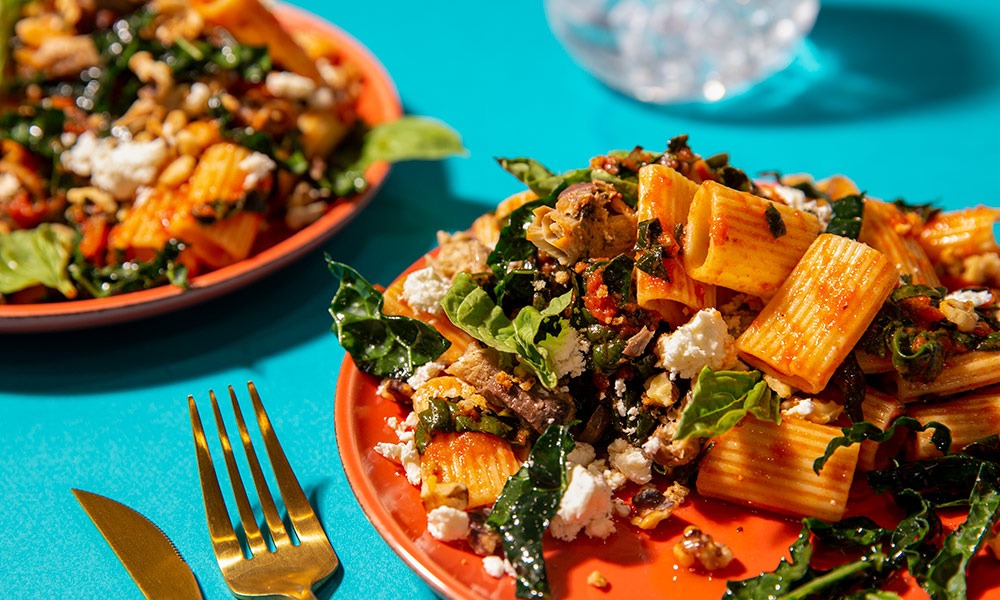
A few anchovy fillets melted into olive oil with garlic create a rich, savoury base for pasta sauces. They dissolve completely, leaving behind a deeper flavour rather than a fishy taste.
Try it: Our Spicy Mackerel Pasta is a great example of how anchovies can enhance a simple pasta dish.
2. Make a Flavour-Packed Anchovy Butter
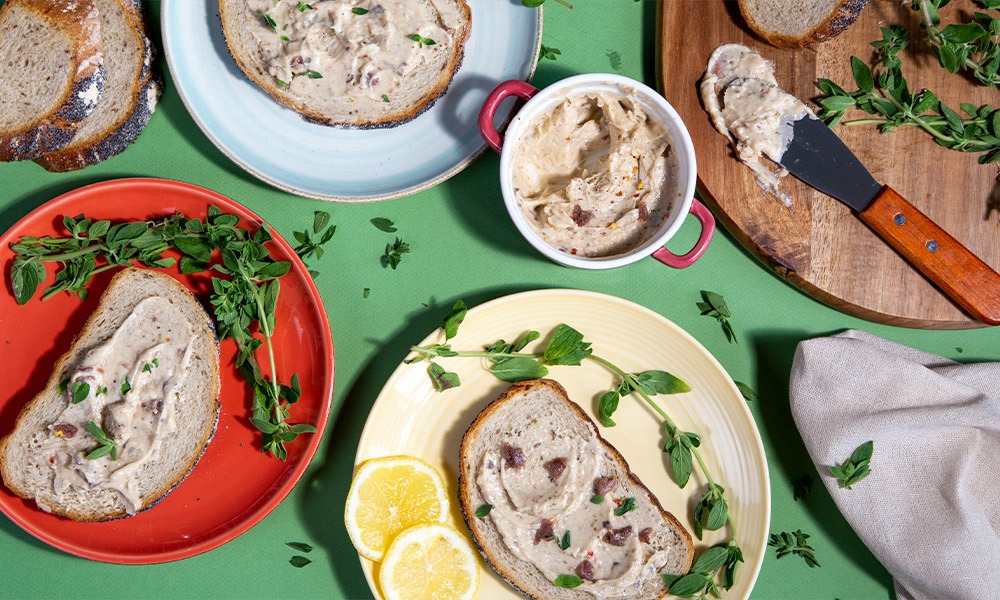
Compound butter is one of the easiest ways to keep anchovies on hand for everyday cooking. Spread it on warm bread, melt it over grilled steak or seafood, or toss it with roasted vegetables for an instant flavour boost.
Try it: Herby Anchovy Butter
3. Elevate Toast and Appetizers
Anchovies pair beautifully with creamy ingredients like ricotta, creating simple appetizers that feel extra special. Add fresh herbs, roasted vegetables, or a drizzle of olive oil to balance their savoury flavour.
Try it:
4. Upgrade Homemade Dressings
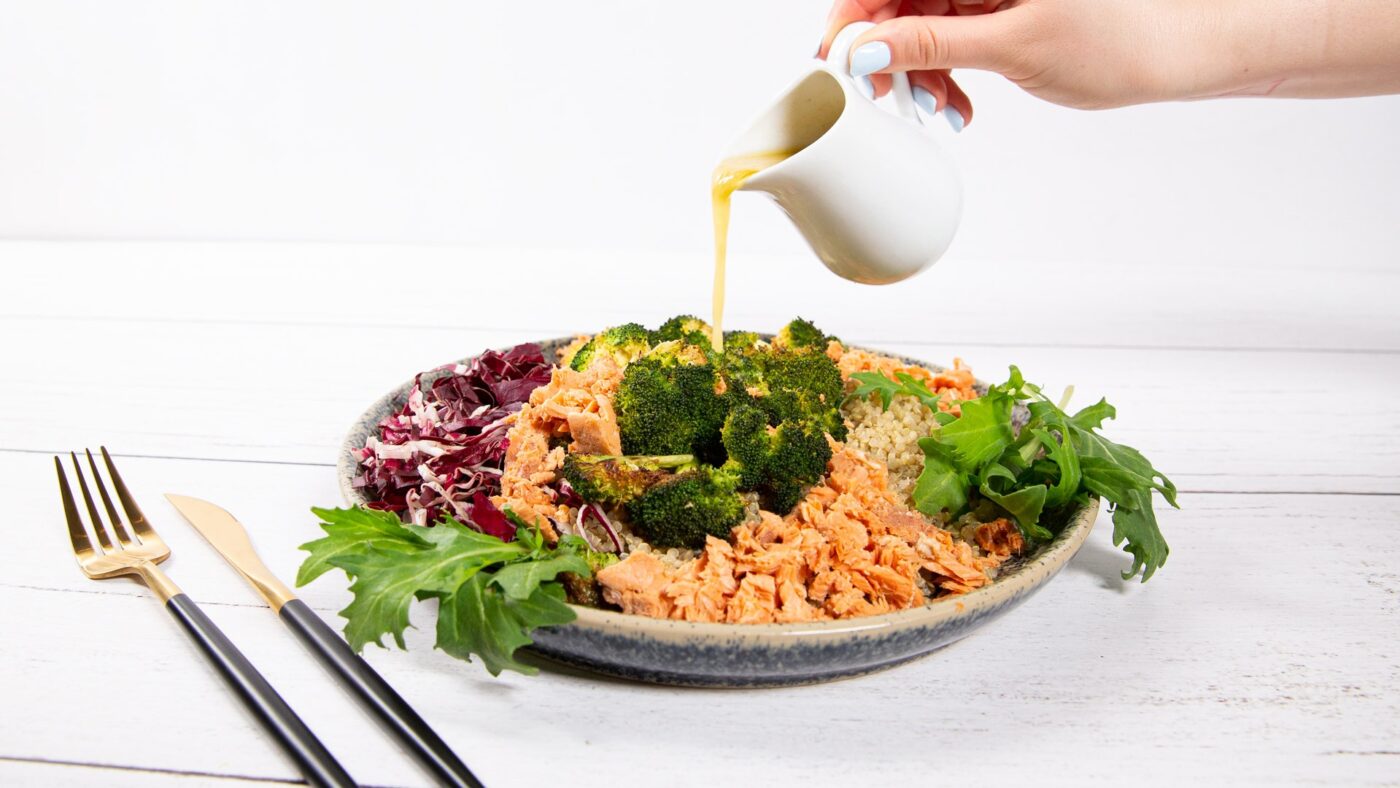
Anchovies are the secret behind many bold, balanced dressings. Blended with olive oil, lemon juice, garlic, and herbs, they add richness that works well beyond a traditional Caesar salad.
Try it: Salmon Quinoa Salad with Anchovy Dressing
5. Bring Vegetables to Life
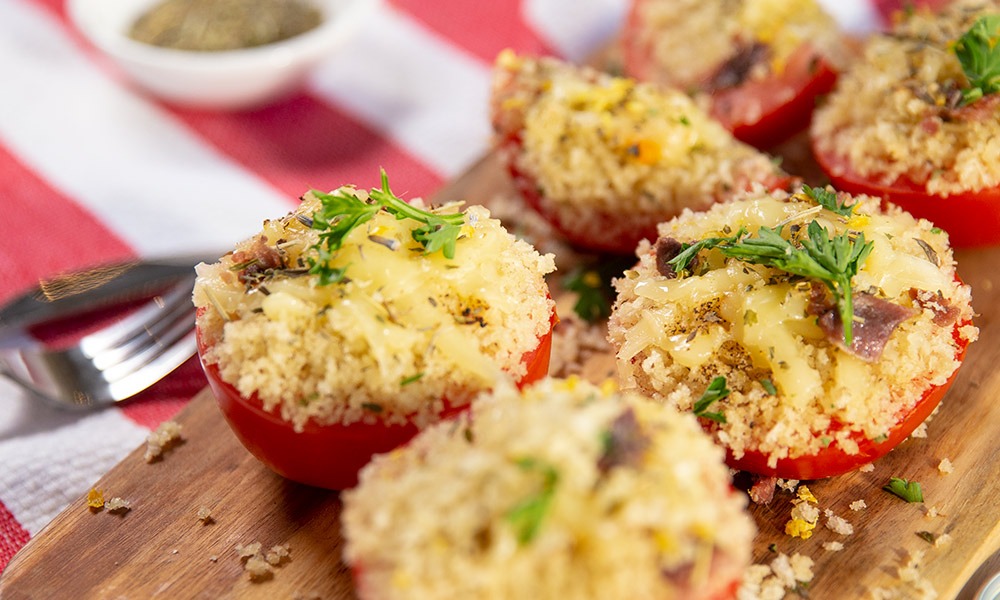
Roasted tomatoes, carrots, broccoli, and potatoes all benefit from a little umami. Anchovies enhance the vegetables’ natural sweetness while adding a savoury finish.
Try it: Tomato Provencal with Anchovy
6. Add Richness to Seafood Dishes
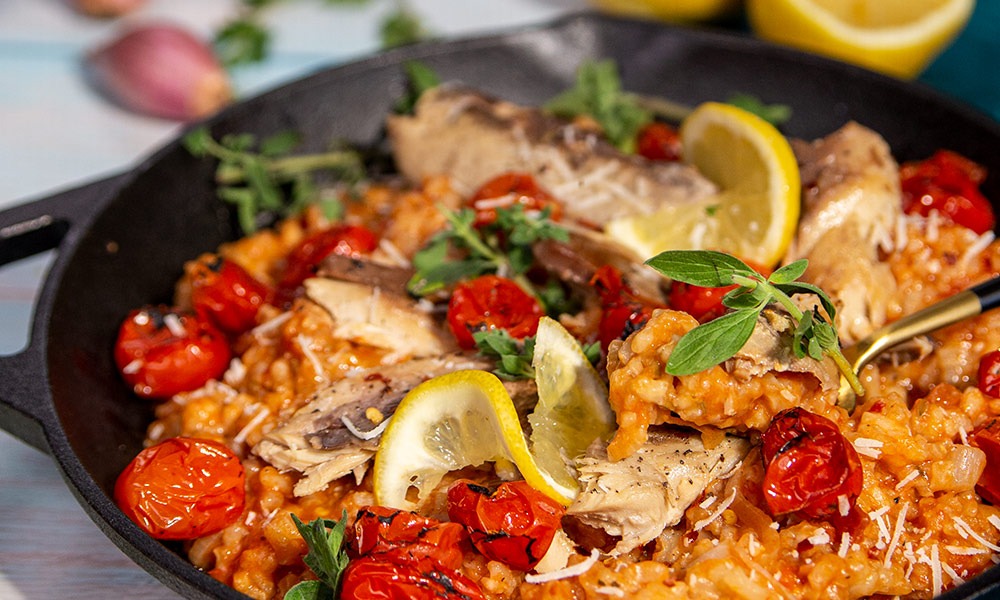
Anchovies naturally complement other seafood, adding another layer of flavour without overpowering the dish. They’re an easy way to make seafood recipes taste even more complex.
Try it:
7. Reinvent Pizza Night
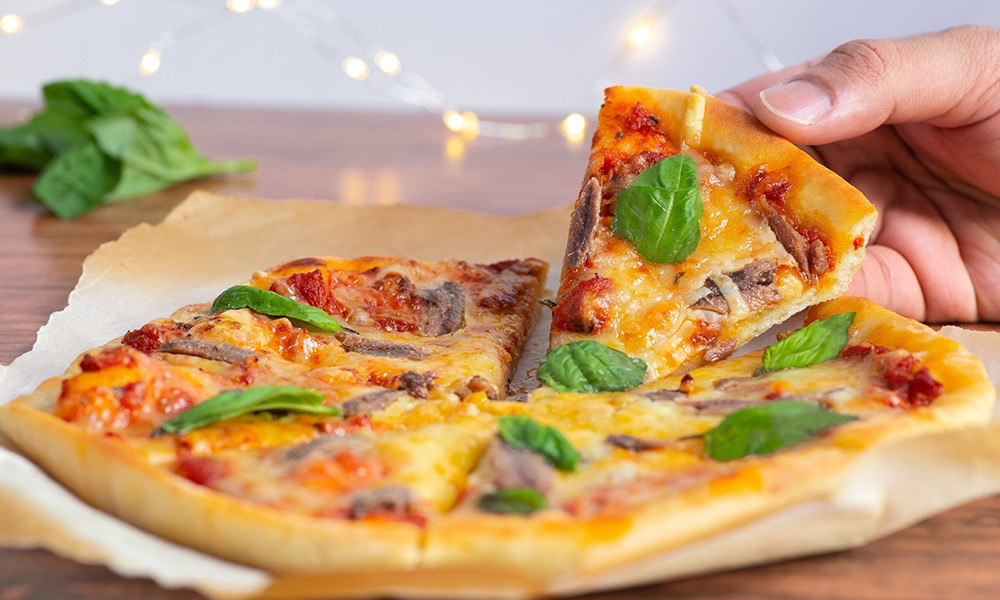
Anchovies are a classic pizza topping for a reason. Their salty, savoury flavour pairs beautifully with tomato sauce, mozzarella, olives, and capers for an authentic Mediterranean-inspired bite.
Try it: Pizza Napoli
8. Add a Savoury Boost to Comfort Foods

Anchovies aren’t just for Italian cooking. Melted into rice dishes, stews or sauces, they create the kind of slow-cooked flavour that usually takes hours to make.
Try it: Jambalaya
Whole Fillets vs Mashed Anchovies: When to Use Each
How to use anchovies depends on the result you are looking for.
Use Anchovies Fillets When:
- You want the anchovy flavour to be noticeable
- You’re using them as a topping
- You want texture in the finished dish
Use Mashed or Melted Anchovies When:
- You want a subtle flavour boost
- You’re making sauces or dressings
- You want the flavour distributed evenly throughout
For everyday cooking, melting anchovies into oil is often the easiest approach. They blend into the dish while leaving behind their best qualities.
Are Anchovies Healthy?
Anchovies may be small, but they’re one of those staples that add incredible flavour while also providing nutrients.
A typical serving of anchovies offers:
- Vitamin B12, an essential nutrient that helps maintain healthy nerves, supports red blood cell production, and contributes to normal energy metabolism.
- High-quality protein to support muscle maintenance and keep you feeling satisfied
- Minerals like selenium, which help support your immune system and overall health.
If you’re choosing wild-caught anchovies packed in extra virgin oil, you’re also getting the benefits of healthy fats and the rich flavour of premium olive oil.
Quality Matters
Not all anchovies are prepared the same way.
Some premium anchovies are hand-packed in extra virgin olive oil and not processed in pressure cookers, helping preserve their delicate texture and rich, buttery flavour. These products are typically found in the refrigerated section of the grocery store and should be kept refrigerated after opening to maintain their quality.
Common Mistakes to Avoid When Using Anchovies
- Using Too Many: Start with one or two fillets and add more if needed. A little goes a long way.
- Adding Them Too Late: For sauces, add anchovies early, so they melt into the oil and build a rich, savoury base.
- Cooking Over High Heat: Cook anchovies gently over low to medium heat until they dissolve.
- Forgetting to Refrigerate After Opening: Store opened anchovies in the refrigerator for up to 2 months, submerged in their oil in an airtight container to maintain freshness.
- Assuming They’ll Taste Fishy: When melted into sauces or dressings, anchovies add depth and umami – not an overpowering fish flavour.
Frequently Asked Questions
How Do You Use Up A Tin of Anchovies?
Use in pasta sauces, dressings, compound butter, roasted vegetables, pizza, seafood dishes, or spread them on toast with ricotta.
Are Anchovies Healthy?
Yes. Anchovies are rich in protein, vitamin B12, and other essential minerals. They are also naturally high in sodium, so enjoy in moderation.
Can You Eat Too Many Anchovies?
Anchovies are nutritious, but they are salt-cured and high in sodium. A few fillets are usually enough to add plenty of flavour.
How Long Do Anchovies Last in A Tin?
Never store leftover anchovies in an open tin. Keep opened anchovies refrigerated and covered with oil in an airtight container. For the best quality, use them within 2-4 weeks.
Anchovies might be tiny, but they are packed with the kind of flavour that can completely transform a dish. Keep a pack in your fridge, and you’ll always have an easy way to add a savoury, delicious boost to everyday meals.
Showing 0 reviews
Thanks for submitting your comment!